
Safe |
Safe | Countries with this rating follow ≥ 70% of the criteria below
- Same-sex marriage or civil unions recognized by law
- Adoption rights for LGBTQ+ families
- Gender recognition procedures that respect self-identification
- Laws protecting against discrimination in employment, housing, healthcare, and education
- Equal access to public services
- Clear penalties for hate crimes based on sexual orientation or gender identity
- Active enforcement of these laws
- Inclusive healthcare policies, including gender-affirming car
- Mental health support tailored to LGBTQ+ needs
- High levels of public support and visibility for LGBTQ+ communities
- Pride events and cultural representation celebrated openly
- Low risk of harassment or violence in public spaces
- LGBTQ+ friendly infrastructure (community centers, safe nightlife, inclusive schools)
- Strong presence of LGBTQ+ organizations and activists
- Governmental support for equality initiatives
|
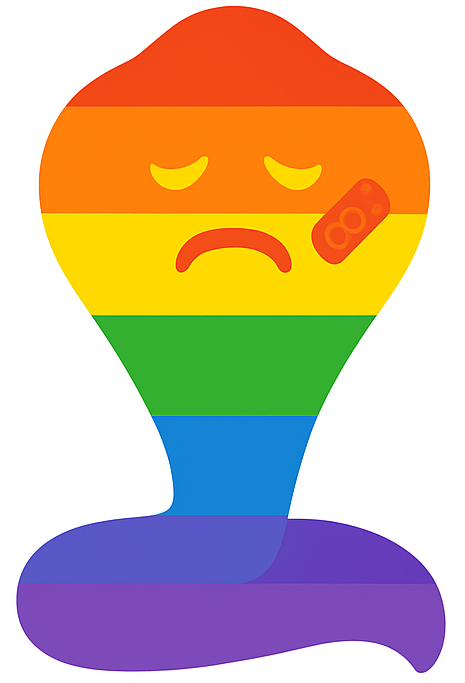
Caution |
Proceed with Caution | Criteria
- Some equality protections, anti‑discrimination laws, and hate‑crime legislation — or peaceful, uninterrupted efforts to advance them
- No or Limited Healthcare Access
- Limited Social Acceptance
- Limited Safe Travel and Daily Life
- Active Advocacy and Representation
|

Dangerous |
Unsafe | Criteria
- Same-sex relationship are illegal or punishable by death
- Gender identity and expression restricted by law
- No anti‑discrimination laws in employment, housing, healthcare, or education
- No recognition of same‑sex partnerships or families
- State‑sanctioned harassment, censorship, or persecution of LGBTQ+ groups
- Bans on Pride events, advocacy organizations, or LGBTQ+ media
- High rates of hate crimes and harassment with little or no accountability
- Widespread cultural or religious intolerance fueling discrimination
- Denial of gender‑affirming care or HIV treatmen
- Medical systems that exclude or stigmatize LGBTQ+ patients
- Activists face intimidation, arrest, or violence
- Peaceful efforts for reform blocked or silence
|